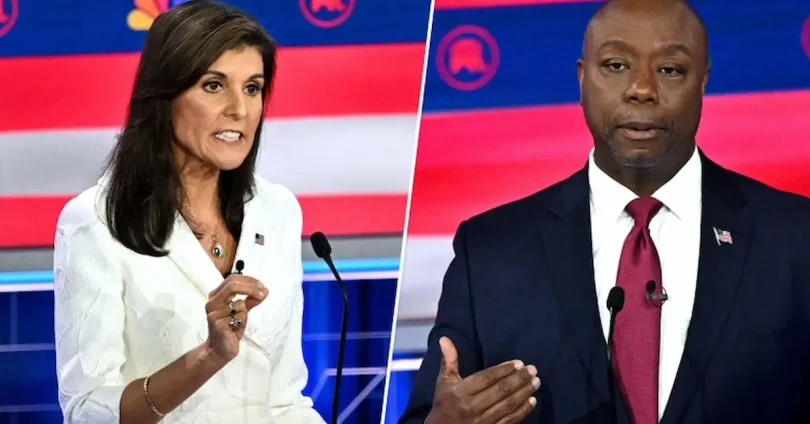

Policy debates are discussions about government decisions, proposed laws, and public policies that affect society. These debates often cover topics like healthcare, education, the economy, and the environment. Staying informed about these debates through news is important because it helps people understand how policies may impact their daily lives, communities, and the country as a whole.
Policy debate news keeps citizens updated on the latest government actions, legislative proposals, and political discussions. It allows people to form their own opinions, participate responsibly in public discussions, and make informed decisions. By following policy debate news, you not only stay aware of current events but also gain insight into how decisions are made and how they may shape the future.
In simple words, policy debate news is a way to stay connected with what’s happening in government and society, helping you understand, analyze, and engage with important decisions that affect everyone.
What Is Policy Debate News?
Policy debate news is information and updates about discussions, proposals, and decisions related to government policies. It focuses on topics that affect how society functions, including healthcare, education, economic reforms, environmental regulations, social welfare programs, and national security.
Who Participates in Policy Debates?
Policy debates involve lawmakers, government officials, policy experts, advocacy groups, and sometimes citizens. These debates provide a platform for different opinions and arguments about how policies should be designed and implemented. For example, a policy debate about education reform may include discussions on funding for public schools, online learning programs, curriculum changes, or teacher training initiatives.
Different Types of Policy Debate News
Policy debate news can cover a wide range of topics, including:
- Legislative Updates: News about proposed laws, amendments, and government bills.
- Policy Analysis: Expert opinions on how a policy may affect communities and the economy.
- Public Reactions: Citizens’ opinions, protests, and support for specific policies.
- Government Decisions: Announcements from officials regarding implementation, deadlines, and objectives.
Why Policy Debate News Matters
Following policy debate news helps people understand the reasoning behind government decisions and how they might impact daily life. For example, debates over healthcare policies can influence insurance coverage, treatment costs, and access to hospitals. Understanding these debates empowers citizens to form informed opinions, discuss ideas responsibly, and participate in democratic processes.
Real-Life Examples
- Healthcare Debate: Discussions about universal healthcare versus privatized systems.
- Climate Policy Debate: Arguments over renewable energy targets, carbon taxes, or environmental regulations.
- Economic Policy Debate: Debates on taxation, unemployment benefits, or minimum wage laws.
- Education Policy Debate: Conversations about online learning, curriculum updates, or school funding priorities.
In Simple Words
Policy debate news is a way to stay informed about government decisions, political discussions, and policies that affect everyone. It helps readers understand different perspectives, analyze impacts, and participate in discussions that shape society.
Why Policy Debate News Is Important

Policy debate news is important because it keeps citizens informed about decisions that affect society. Governments create policies every day that impact education, healthcare, the economy, the environment, and social welfare. Following these debates helps people understand what is happening, why decisions are being made, and how they may influence daily life.
Stay Informed About Government Decisions
Keeping up with policy debate news ensures that you know about new laws, proposals, or changes in existing policies. For example, news about healthcare reforms can help you understand what services will be covered, how much you might pay, or which programs are changing. Being informed allows you to plan and make better decisions for yourself and your family.
Encourage Critical Thinking
Policy debates often involve different viewpoints and arguments. Following this news helps you analyze each perspective, compare pros and cons, and form your own opinion based on facts. For example, debates about climate policies may include arguments for economic growth versus environmental protection. Understanding both sides promotes smarter decision-making.
Promote Civic Engagement
When citizens are aware of policy debates, they can participate in discussions, community meetings, or public forums. Being informed allows you to voice your opinion responsibly, contact representatives, or even support initiatives that matter to you. This strengthens democracy and encourages active participation in shaping society.
Understand Real-Life Impact
Policies often directly affect daily life. Education reforms influence schools and students, economic policies impact jobs and businesses, and environmental laws affect local communities. By following policy debate news, you can understand these impacts before they happen and make informed choices.
In Simple Words
Policy debate news is important because it educates, informs, and empowers people. It helps citizens stay aware of government decisions, think critically, participate responsibly, and understand how policies affect their lives.
you may also like to read these posts;
Current Public Debates: Top Issues You Need to Know Today
Political Debate Updates: Latest News and Key Issues Today
Trending Public Discussions: Key Topics Shaping Society Today
Social Issue Debates: Understand, Discuss & Make an Impact
How to Follow Policy Debate News
Staying updated with policy debate news is essential for understanding government decisions and their impact on society. Policy debates influence education, healthcare, the economy, and even the environment, so being informed allows you to participate responsibly in discussions and make better personal and community decisions.
1. Follow Trusted News Sources
Use reputable newspapers, TV channels, and online news websites for accurate and detailed information. For example, publications like The New York Times, BBC News, or official local news portals often provide well-researched coverage of policy debates. Avoid relying solely on social media, as misinformation spreads quickly online.
2. Watch Live Debates and Interviews
Watching live policy debates or interviews with lawmakers, experts, and officials provides firsthand information. Platforms like parliamentary or congressional broadcasts, government channels, or YouTube streams allow you to see arguments and responses directly, helping you form your own opinion without bias.
3. Read Government Announcements and Press Releases
Official government websites and press releases are the most reliable sources for policy updates. These sources include announcements of new laws, proposed policies, deadlines, and government objectives. For instance, checking the Ministry of Health or Education websites can help you understand new reforms before they are widely reported in the media.
4. Subscribe to Newsletters and Briefs
Many news organizations and policy think tanks offer daily or weekly newsletters summarizing key policy debates. This saves time and ensures you get verified updates. Examples include government policy briefs, political analysis emails, or newsletters from independent policy research groups.
5. Use Social Media Wisely
Social media is useful for real-time updates but must be used carefully. Follow official government accounts, verified news outlets, and expert analysts rather than unverified posts. For example, following the official accounts of ministries or political organizations can give you timely and accurate updates.
6. Join Community Discussions
Local forums, town halls, online discussion groups, and webinars can help you understand policy debates and their real-life implications. These platforms allow you to ask questions, interact with experts, and hear diverse opinions. For example, a community meeting about local education reforms can provide insights that national news might not cover.
7. Take Notes and Track Updates
When following policy debate news, keep notes of important points, dates, and sources. This helps you track changes, compare different perspectives, and better understand the ongoing discussions. For instance, tracking changes in healthcare policy proposals over time can help you see trends and outcomes.
8. Focus on Key Issues Relevant to You
Policies affect everyone differently, so focus on debates that directly impact your life, career, or community. For example, if you’re a student, pay attention to education policies; if you run a business, economic policies and taxation debates will be more relevant.
9. Analyze Multiple Perspectives
Policy debates often have more than one viewpoint. Look at both sides of the argument to get a complete picture. For example, a climate policy debate may involve environmental concerns, economic growth, and social implications. Understanding each angle helps you form a balanced opinion.
In Simple Words
Following policy debate news means using reliable sources, watching debates, reading official updates, joining discussions, and analyzing multiple perspectives. By doing this, you stay informed, think critically, and understand how government decisions affect your life, community, and country.
Key Challenges in Policy Debate News

Policy debate news is essential, but following it comes with some challenges. Understanding these challenges helps readers navigate news carefully and stay informed without confusion or bias.
1. Misinformation and Fake News
Not all news sources are reliable. Sometimes, inaccurate or misleading information spreads quickly, especially on social media. For example, a false claim about a new healthcare policy might cause unnecessary panic. Always verify news with official sources or trusted media outlets before believing or sharing it.
2. Biased Reporting
News outlets may sometimes report policy debates with a bias, favoring one perspective over another. This can give a skewed view of the discussion. For instance, coverage of an economic reform may focus only on benefits while ignoring potential drawbacks. Reading multiple sources helps you understand both sides of the debate.
3. Complex Language and Jargon
Policy debates often involve technical terms and government jargon that can be confusing. For example, terms like “fiscal stimulus,” “regulatory rollback,” or “universal coverage” may be difficult for a general reader. Look up definitions or read simplified summaries to fully understand the discussion.
4. Information Overload
There is a constant flow of news, and trying to follow everything can be overwhelming. For instance, following debates on healthcare, education, and climate policy simultaneously may confuse readers. Focus on the most relevant topics for you and track updates gradually.
5. Short-Term Sensationalism
Some news outlets focus on short-term, sensational stories instead of long-term policy impacts. For example, a news report may highlight an argument between politicians without explaining the actual effect of the policy. Look for sources that provide context, analysis, and long-term implications.
6. Rapidly Changing Policies
Policies can change quickly, with amendments, delays, or new proposals. Following debates requires staying updated regularly. For example, tax reforms may be revised multiple times before implementation. Using newsletters and official government updates can help track these changes.
7. Online Debate Conflicts
Social media discussions about policy debates can become heated, with personal attacks, trolling, or misinformation. Avoid getting drawn into unproductive arguments online and rely on verified sources for accurate information.
Tips to Overcome These Challenges
- Verify news from multiple reliable sources.
- Focus on official government announcements and expert analysis.
- Take notes to track updates over time.
- Avoid sharing unverified information.
- Read simplified summaries or explanations if debates involve complex jargon.
In Simple Words
Policy debate news can be challenging due to misinformation, bias, complex language, and online conflicts. Staying informed, verifying facts, and focusing on reliable sources helps you understand debates clearly and participate responsibly.
What is policy debate news?
Policy debate news covers discussions, proposals, and decisions related to government policies. It reports on how lawmakers, experts, and citizens debate policies on healthcare, education, the economy, the environment, and more.
Why should I follow policy debate news?
Following policy debate news helps you stay informed about government decisions, understand how policies affect daily life, think critically, and participate responsibly in discussions or democratic processes.
How can I know if a news source is trustworthy?
Check if the source is reputable, provides verified information, cites official data, and avoids sensationalism. Official government websites, established news outlets, and expert analysis are reliable sources.
Conclusion
Policy debate news is an essential way to stay informed about government decisions and discussions that affect society. From healthcare and education to economic reforms and environmental policies, these debates shape the world around us. By following policy debate news, citizens can understand different perspectives, think critically, and engage responsibly in discussions that matter.
While challenges like misinformation, biased reporting, and complex language exist, using trusted sources, official updates, and expert analysis can help readers navigate the news effectively. Staying informed empowers you to make better personal and community decisions and participate meaningfully in democratic processes.
In simple words, policy debate news helps you stay aware, form your own opinions, and take part in shaping the policies that impact your life and society. Staying informed is not just about knowing the news—it’s about understanding it and using that knowledge to engage thoughtfully.