
Introduction
Pigeons are highly adaptable birds, and urban properties provide plenty of sheltered places for them to rest and nest. One area that has become particularly attractive is the space beneath solar panels. The gap offers protection from rain, wind and predators, making it an inviting location for pigeons to establish a nest.
For property owners, the problem is not simply the presence of birds. Repeated nesting can lead to droppings, debris, unpleasant smells, noise and difficult-to-reach areas that are challenging to clean. On solar installations, nesting material and bird fouling can also create additional maintenance concerns.
Professional Pigeon Proofing Chelmsford is designed to address the cause of the problem by restricting access to areas where birds are attempting to settle. Rather than relying on temporary scare tactics, a properly assessed proofing system creates a physical barrier while allowing the solar installation and roof to continue functioning normally.
Understanding Why Pigeons Nest Under Solar Panels
Solar panels are normally positioned above the roof surface, leaving a small gap between the panels and the roof. From a pigeon’s perspective, this can resemble a ready-made shelter.
The area is:
- Protected from harsh weather
- Difficult for people to access
- Relatively quiet and undisturbed
- Suitable for nesting materials
- Close to the roof surface
- Convenient for birds returning to the same location
Once pigeons discover that a roof provides a safe nesting environment, they may continue returning even after individual birds have been removed.
This is why simply chasing birds away rarely addresses the underlying issue. If access remains available, another pigeon may eventually occupy the same space.
What Problems Can Pigeons Cause Around Solar Panels?
A small amount of bird activity may initially seem harmless, but repeated nesting can gradually create a more significant maintenance problem.
Accumulation of Droppings
Pigeon faeces can build up beneath and around solar panels. Apart from looking unsightly, heavy fouling can make roof maintenance unpleasant and potentially create hygiene concerns.
Bird droppings are also acidic, so prolonged accumulation around certain building materials and components should not be ignored.
Nesting Debris
Pigeons may use twigs, leaves and other materials to construct nests. Over time, this debris can accumulate beneath panels and make inspection or cleaning more difficult.
Noise
Birds moving around beneath solar panels can produce scratching and other repetitive sounds. On properties with bedrooms or living areas close to the roof, the disturbance may become particularly frustrating.
Parasites and Hygiene Concerns
Established bird nests can be associated with organisms such as bird mites and fleas. While this does not mean every pigeon nest will cause an infestation, property owners should take established nesting areas seriously and avoid unnecessary contact with contaminated material.
Potential Electrical Concerns
Nesting material and accumulated fouling around a solar installation can create additional maintenance considerations, particularly where wiring and other components are accessible. Any concern about electrical equipment should be assessed by an appropriately qualified professional.
What Is Solar Panel Proofing?
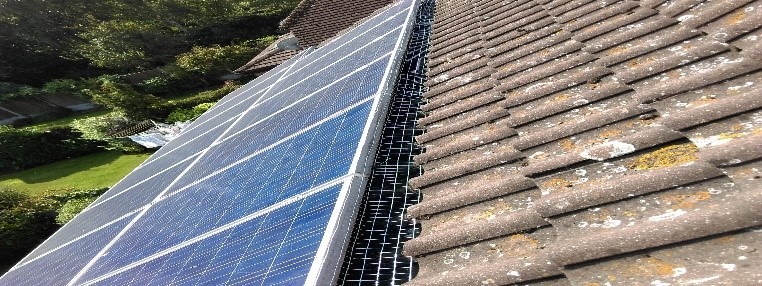
Solar panel proofing is a preventative system designed to stop pigeons from entering the space beneath solar panels.
A commonly used approach involves installing a strong galvanised mesh or wire barrier around the exposed perimeter. Specialist clips can be used to secure the material without drilling directly into the solar panels.
The exact installation method depends on the panel arrangement, roof construction and access available at the property.
The purpose is not to interfere with the solar panels. Instead, the barrier closes the entry points that pigeons are using while maintaining the integrity of the installation.
Why Professional Assessment Matters
There is no universal proofing solution that is suitable for every roof.
Before recommending a system, an experienced technician should consider the property’s construction and the precise location of the bird activity. A proper assessment may identify:
- Existing nests and nesting material
- Gaps underneath the solar panels
- Other potential entry points
- Roofline and gutter access
- The condition of the surrounding area
- Suitable fixing points
- Safe methods of reaching the installation
The inspection can also determine whether ladders are adequate or whether additional access equipment, such as scaffolding or powered access, is necessary.
This is an important part of quality workmanship. Installing a product is only one part of the job; choosing the right system and fitting it safely are equally important.
Choosing the Right Bird Deterrent
Different properties require different approaches. Solar panels may benefit from perimeter mesh or galvanised wire, while exposed rooflines, ledges and gutters may require alternative deterrents.
Possible methods include:
Galvanised Mesh
Mesh provides a physical barrier between pigeons and the sheltered space they are attempting to access. When correctly installed, it can provide a long-term preventative solution.
Galvanised Wire Systems
Strong wire can be secured around suitable areas using specialist clips. This approach can be useful where a discreet perimeter barrier is preferred.
Pigeon Spikes
Spikes can discourage birds from landing on suitable surfaces such as ledges and other exposed areas. Their suitability depends on the location and design of the property.
Targeted Proofing
Some properties do not require extensive installation. If bird activity is limited to one or two access points, targeted proofing may be sufficient.
An experienced pest management professional should assess the site rather than automatically recommending the same product for every customer.
The Benefits of Preventative Bird Proofing
Investing in appropriate proofing can provide benefits beyond simply reducing the number of pigeons around a building.
Less Repeated Bird Activity
Once access points have been properly secured, pigeons have fewer opportunities to establish themselves in the same sheltered location.
Reduced Cleaning Requirements
Preventing birds from nesting can reduce the accumulation of droppings and nesting debris around vulnerable areas.
Better Protection for Solar Installations
Keeping birds and nesting materials away from the underside of panels can make the surrounding installation easier to maintain and inspect.
A More Discreet Solution
A professionally fitted system can be designed around the property rather than relying on highly visible or temporary bird-scaring products.
Long-Term Prevention
The biggest advantage is that proofing tackles access. Instead of repeatedly responding whenever pigeons return, the property is modified to make the affected location less accessible.
Humane Pigeon Management in Chelmsford
Responsible bird management should always consider animal welfare and applicable wildlife legislation.
Pigeons, like other wild birds, should not simply be disturbed or removed without considering whether active nests or eggs are present. A professional assessment helps establish what action is appropriate before proofing work begins.
The objective of preventative proofing is to discourage future nesting rather than deliberately injure birds.
For this reason, physical deterrents such as mesh, wire systems and suitable spikes can provide a more responsible approach than attempting to eliminate birds.
Pigeon Proofing for Homes and Businesses
Bird problems are not restricted to residential properties. Commercial buildings can have extensive roofs, ledges and sheltered structures that provide attractive nesting locations.
Professional bird-proofing measures may be relevant for:
- Houses and flats
- Rental properties
- Offices
- Shops
- Restaurants and cafés
- Warehouses
- Farms
- Schools
- Garden centres
- Other commercial buildings
The solution should always be proportionate to the property and the extent of the problem.
Cleaning and Existing Nesting Problems
Proofing should not be viewed as a substitute for dealing with an existing accumulation of bird waste or nesting debris.
If pigeons have been using an area for a long time, there may already be considerable contamination underneath the panels or around the roofline. Attempting to disturb heavily fouled areas without suitable precautions is not advisable.
A professional can assess the condition of the affected area and explain what needs to be addressed before or during proofing.
Where electrical components are involved, property owners should also avoid interfering with the solar system themselves and use appropriately qualified professionals for electrical work.
Why Local Experience Can Make a Difference
A local pest control provider familiar with Chelmsford and surrounding Essex communities can offer a practical advantage when arranging an inspection.
Properties across areas such as Broomfield, Galleywood, Danbury, Boreham, Writtle, Great Waltham and South Woodham Ferrers can have very different building designs. A detached house with a pitched roof may require a completely different approach from a commercial building with extensive flat roofing.
Local service also makes it easier to arrange an assessment and discuss the problem directly with someone familiar with common property types in the area.
What to Expect From a Professional Service
A reputable contractor should provide more than a product and a quick installation.
A professional service normally involves:
Initial discussion: You explain where pigeons are gathering and what problems you have noticed.
Property inspection: The affected roof, panels or other areas are assessed.
Solution planning: The technician identifies suitable proofing materials and considers safe access.
Installation: The selected system is fitted carefully around the vulnerable area.
Preventative advice: The property owner is advised about maintaining the area and reducing the likelihood of future problems.
This process helps ensure that the work is based on the actual conditions at the property rather than a generic package.
Frequently Asked Questions
How do I know if pigeons are nesting under my solar panels?
Common signs include regular bird activity around the panels, repeated cooing or scratching noises, droppings around the roof and visible nesting materials at the panel edges.
Does solar panel proofing damage the panels?
A properly designed system should be installed without unnecessarily drilling into or damaging the panels. Specialist fixing methods can be used to secure protective mesh or wire around the installation.
Are pigeon spikes suitable for every property?
No. Spikes are useful in certain situations but are not automatically the best choice for every roof or solar panel installation. The surface, bird behaviour and access point should be assessed first.
Can I install pigeon mesh myself?
Working around solar panels and roof edges can involve significant height and access risks. Professional installation is preferable where specialist access equipment or knowledge of solar panel systems is required.
Is pigeon proofing only for homeowners?
No. Bird proofing can be useful for residential and commercial properties, including shops, offices, warehouses, restaurants, farms and other premises.
When should I arrange an inspection?
It is sensible to seek professional advice when pigeons repeatedly return to the same location, particularly when nesting, excessive droppings or activity around solar panels has become noticeable.
Conclusion
Pigeons do not need to be a permanent problem for properties in Chelmsford. When birds repeatedly return to a roof or solar installation, the most useful question is often not how to remove them temporarily, but why they keep coming back.
That is where preventative Pigeon Proofing Chelmsford can make a meaningful difference. By identifying access points and installing a suitable physical barrier, property owners can reduce nesting opportunities while protecting vulnerable roof areas.
For homes with photovoltaic systems, Solar panel proofing can help keep the space beneath the panels inaccessible to pigeons and reduce the ongoing problems associated with nesting, fouling and debris.
The most reliable results come from a site-specific approach: inspect the problem, consider bird welfare and safety, select the appropriate deterrent, and install it correctly. With professional assessment and quality workmanship, pigeon proofing can turn a recurring nuisance into a manageable, preventative maintenance issue.